Event Log Explorer
What Event Log Explorer does
Guided SUSA tool journey
Event Log Explorer supports event-log analysis. In this guide, you will use it to filter an EVTX set by provider, identifier, account, and time. The procedure and screenshots provide the practical reference; the surrounding context explains what to record and how to judge the result.
Tool guide at a glance
Filter an EVTX set by provider, identifier, account, and time.
A supplied EVTX set with host, channel, audit, and time-zone context.
A validated event sequence with complete fields, surrounding records, and corroboration.
Evidence and safety
Treat rule matches as leads. Preserve EVTX files and do not rely on an event title or identifier alone. Record the input identifier, tool version, relevant commands or settings, time and time zone, output location, and any errors or limitations as you work.
Choose your journey
01Understand the evidenceLearn the event-log analysis concepts and limitations.Complete when you can explain what the evidence can and cannot show.Beginner · No tool required · 15–25 min 02Follow the Event Log Explorer guideWork through the commands, screenshots, and instructional sequence below.Complete when the documented workflow produces its expected output.Guided · SUSA workstation · Time varies 03Interactive labPractise the tool workflow in a safe browser simulation.Complete when the guided result is supported by the case evidence.Beginner · Browser only · 10–20 min 04Full LabInvestigate an authorised training scenario with fewer prompts and preserve a reviewable result.Complete when another analyst can reproduce and verify the outcome.Intermediate · Isolated lab · 45–90 min
How the labs complement this guide
The Interactive Lab is a safe browser simulation for practising the workflow and validation logic. The Full Lab is an independent exercise for an isolated, authorised environment. Confirm the installed tool version and expected output before relying on either exercise in a real case.
Accessing Event Log Explorer in SUSA
Event Log Explorer is a Windows tool used to view, analyse, and investigate Windows Event Logs more effectively than the built-in Windows Event Viewer.
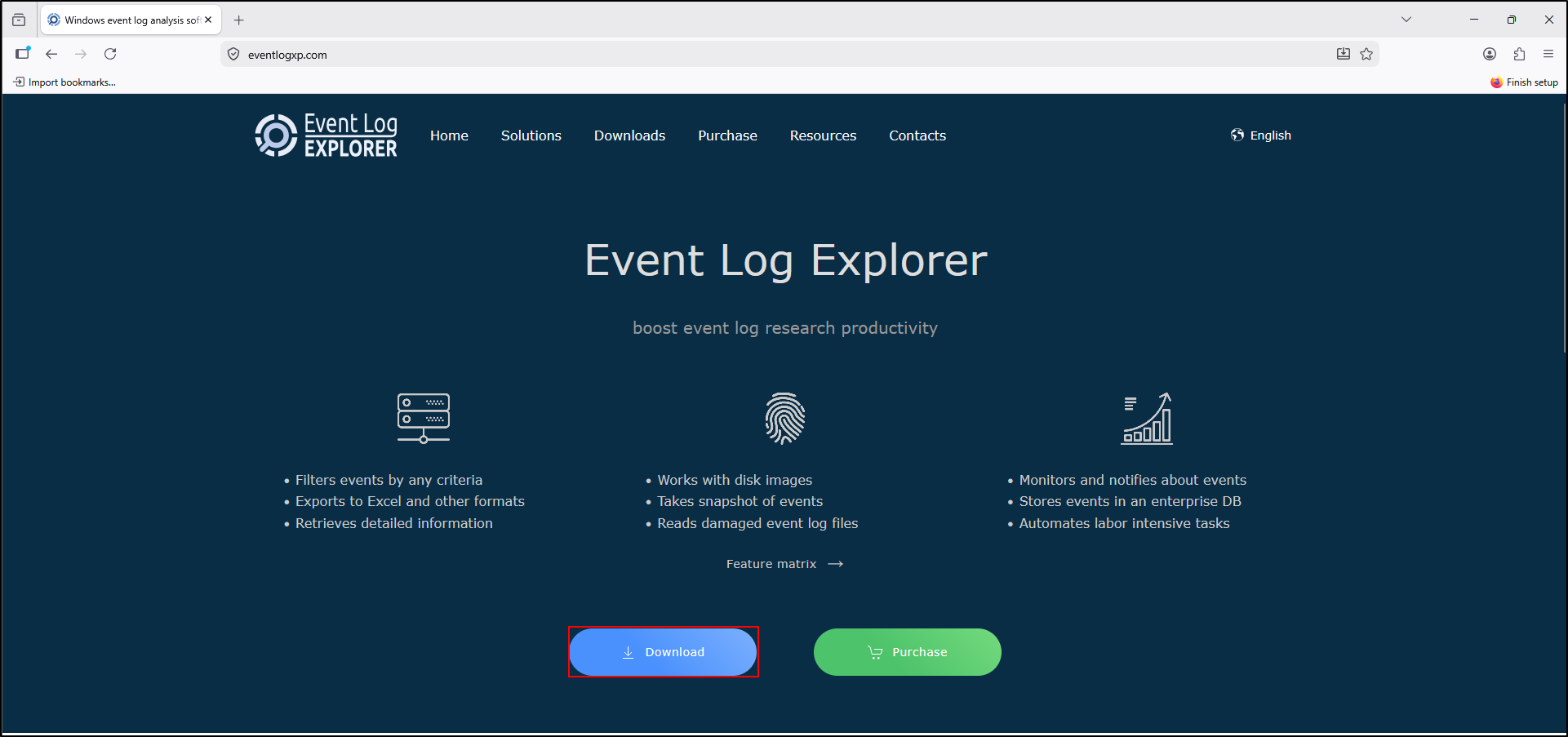
Download Event Log Explorer.
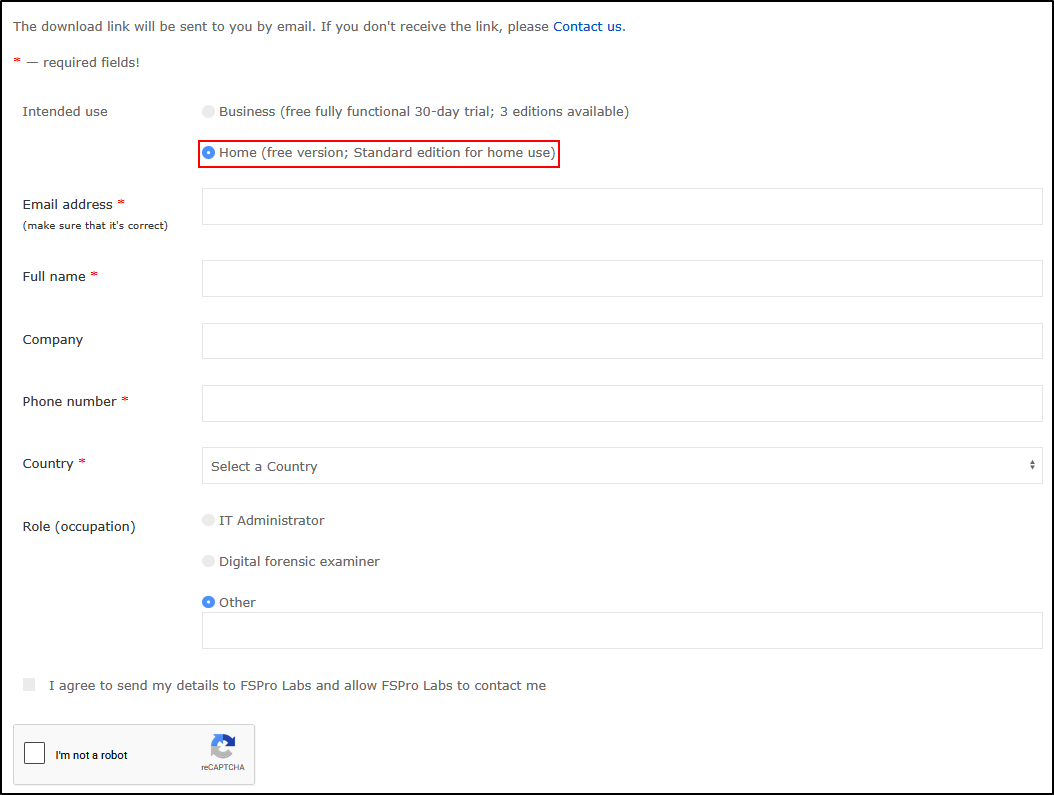
Fill out the personal details for registration. Select Home for Intended use.
After submitting your details, download the Event Log Explorer.
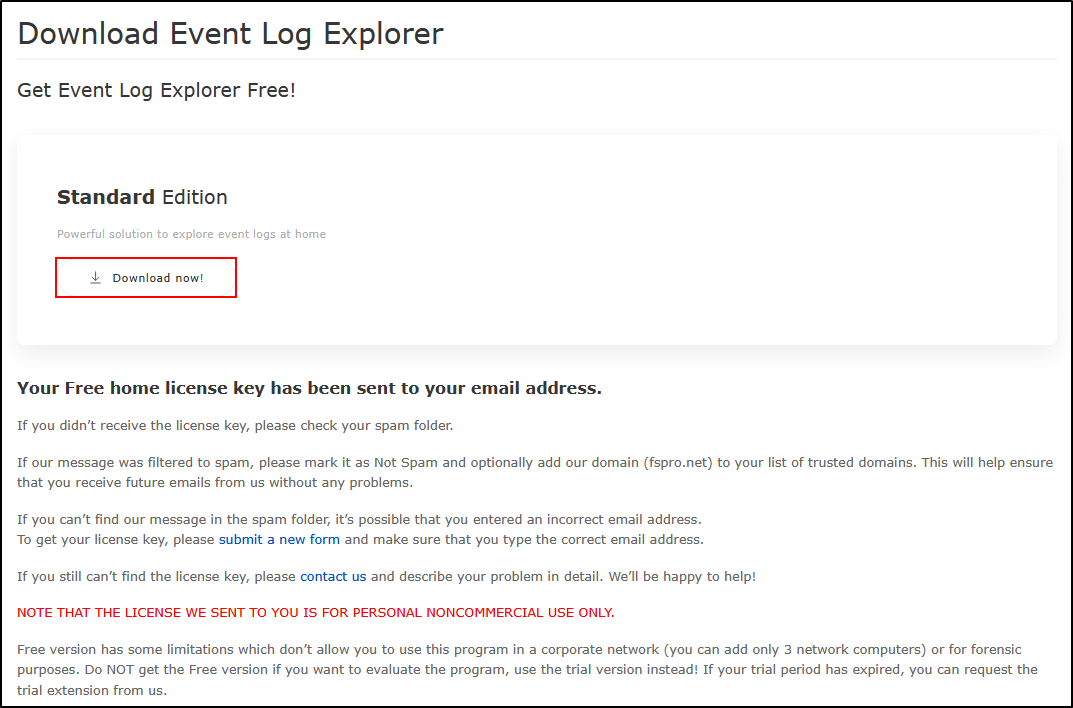
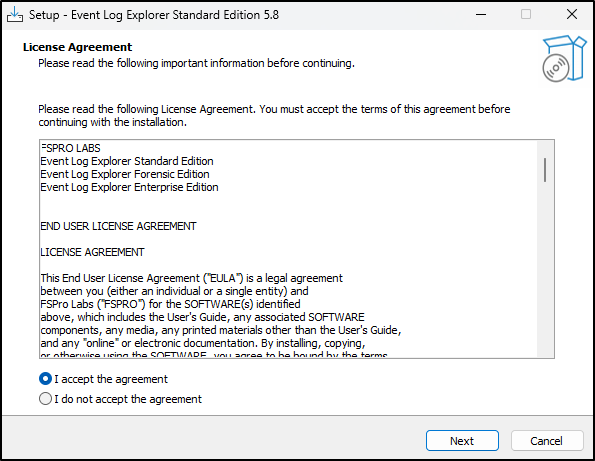
Move the downloaded executable to C:\Tools\Event Log Explorer. Double-click it to begin install. Accept the agreement.
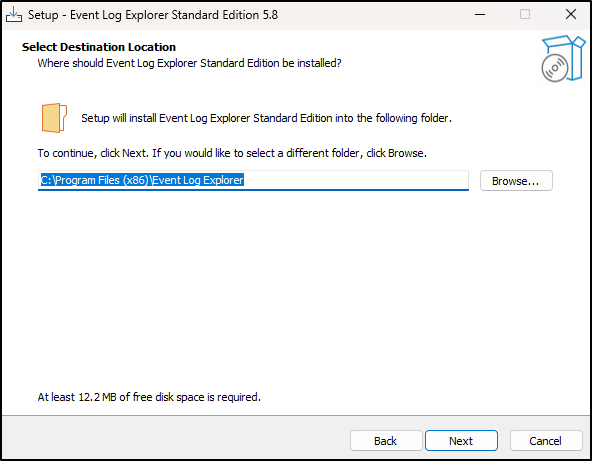
Keep the default options, select Next, and record the destination (C:\Program Files (x86)\Event Log Explorer).
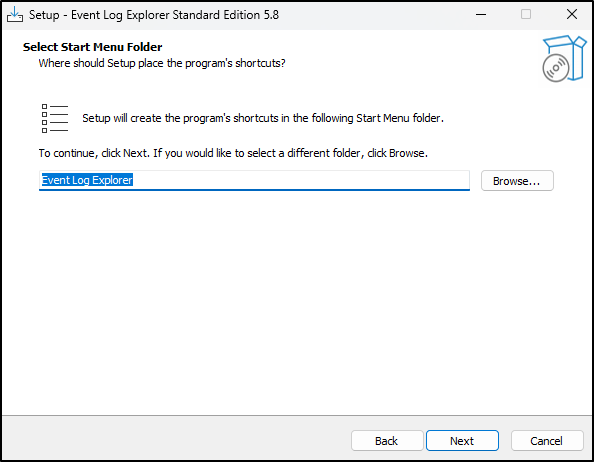
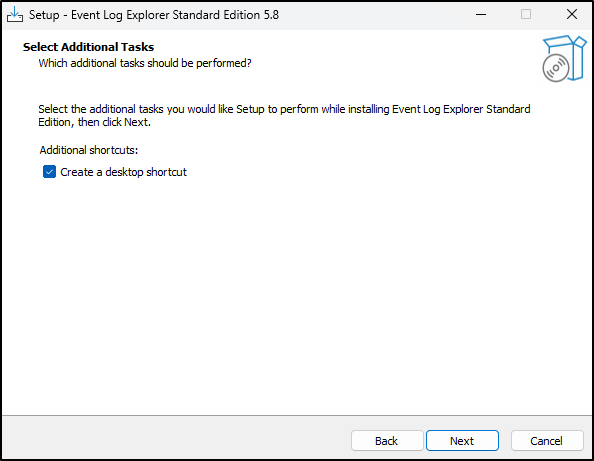
Click Install.
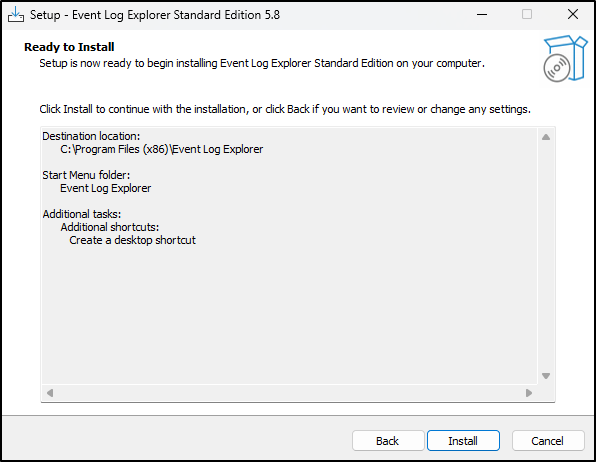
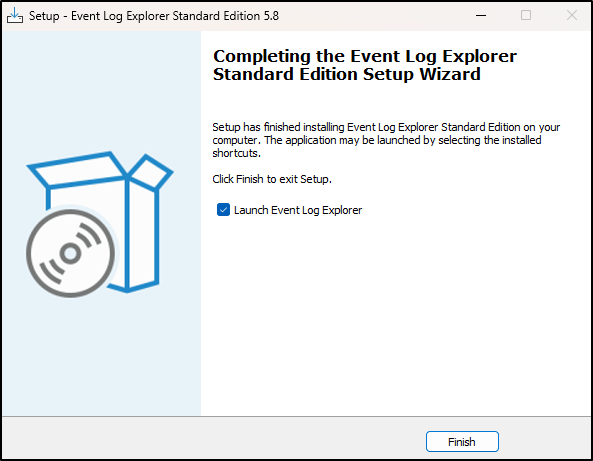
Once the install is complete, click Finish.
This will open Event Log Explorer and prompt you to enter a license key. Select Enter license key.
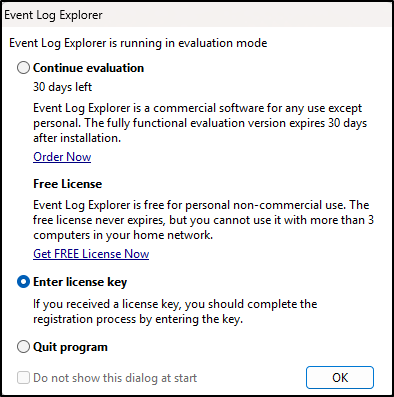
Copy and paste the license key received via the email. Click OK.
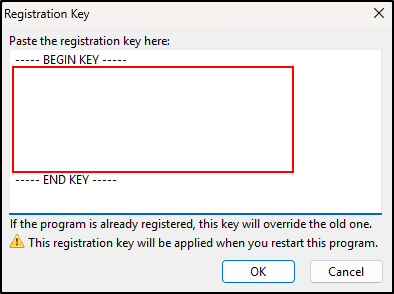
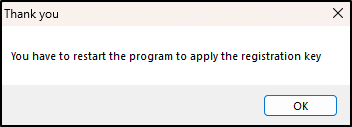
Click OK and restart the program to apply the registration key.
Move the Event Log Explorer desktop shortcut to C:\Tools\Event Log Explorer, then name the shortcut Event Log Explorer.
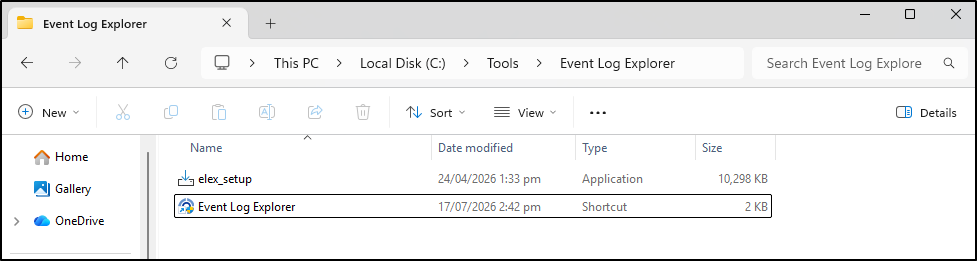
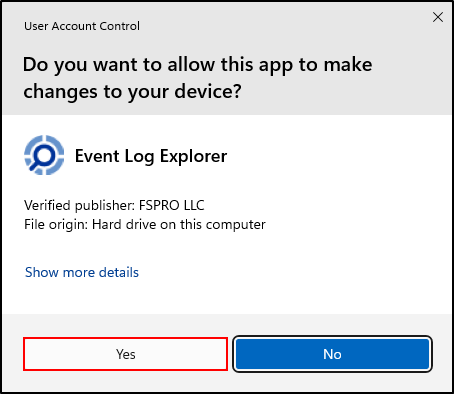
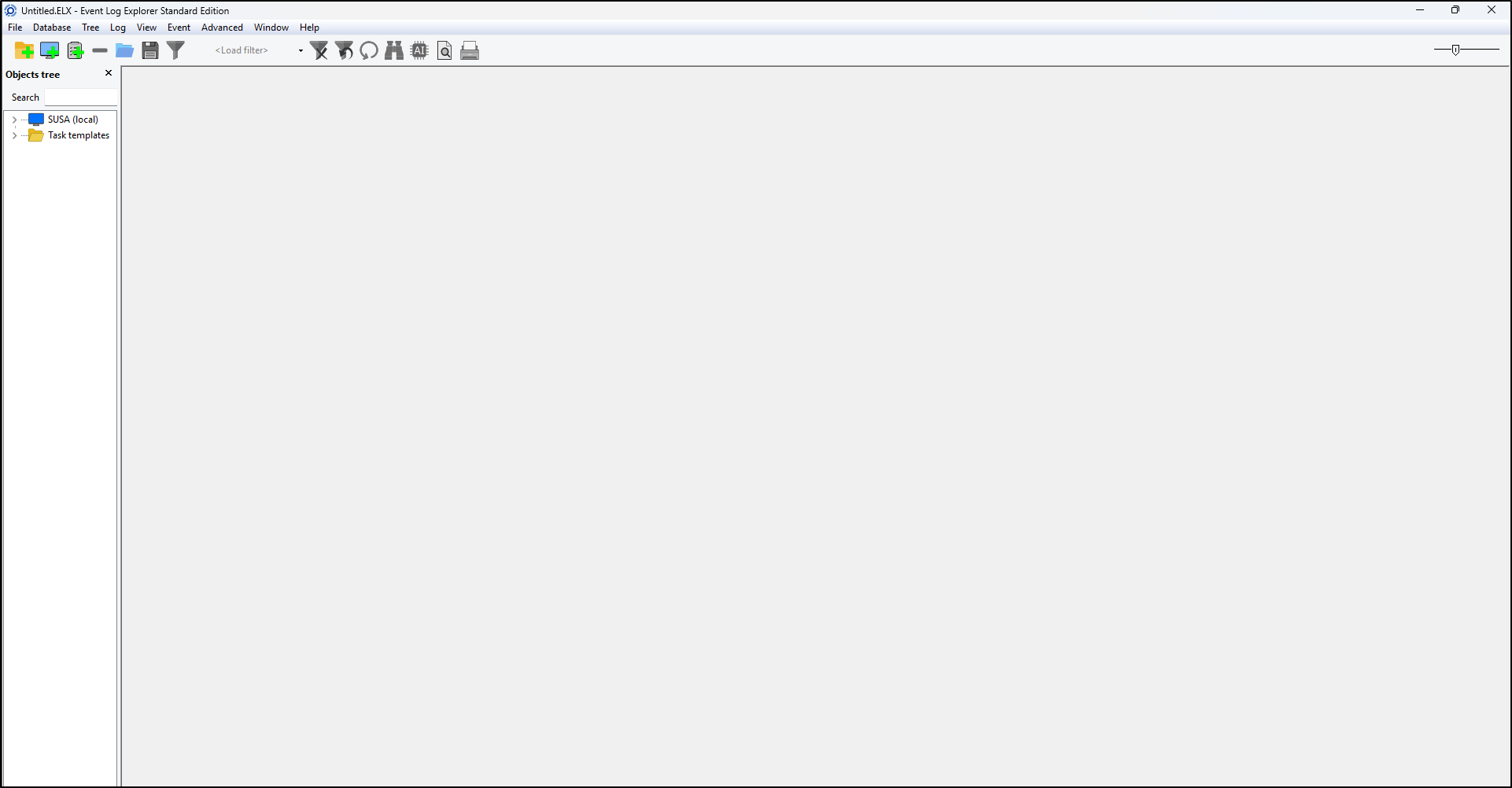
Double-click the Event Log Explorer to verify that it runs without an error. Select Yes when prompted by User Account Control.